How to make the Best Layout for a Bungalow?
02-09-2025
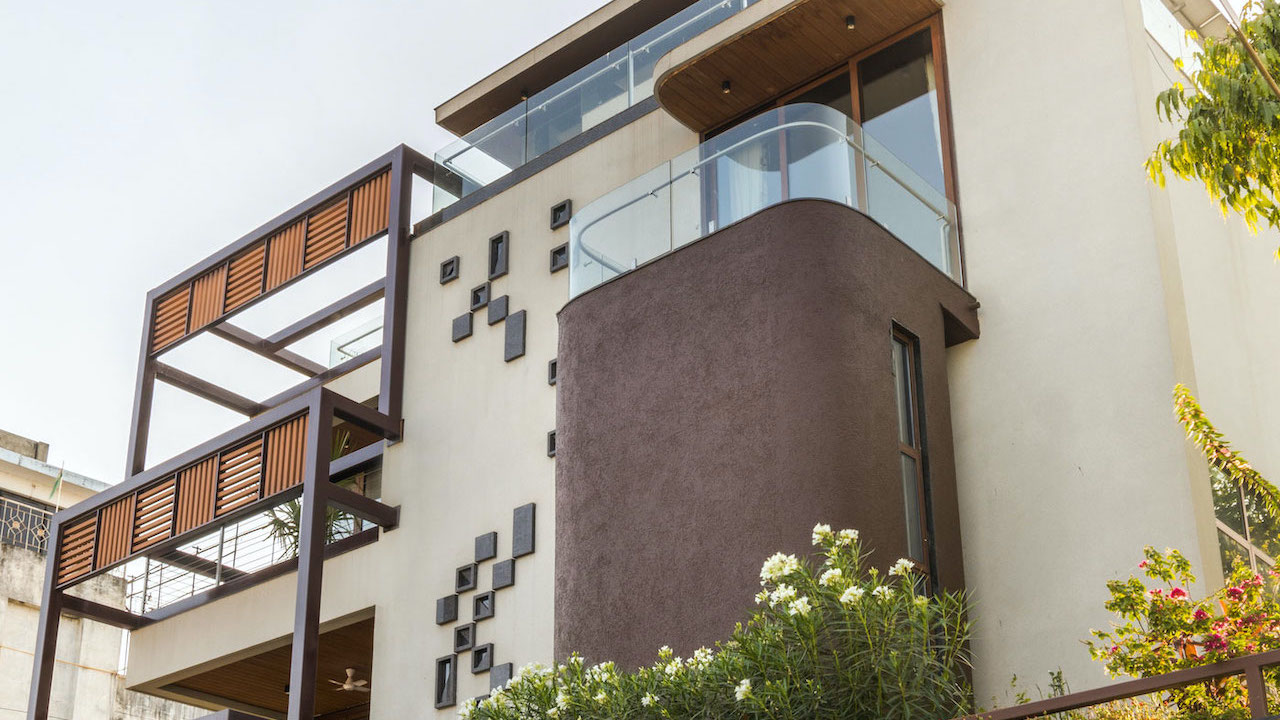
At its core, a great bungalow layout is not just about rooms — it's about how people live, move, and feel in the space. It must adapt to lifestyle, climate, and long-term needs.
1. Understand the Client’s Lifestyle
Start by mapping out:
* Who will live in the house (family structure, elderly, kids)?
* How do they use each space — formal/informal living, work-from-home, gatherings, prayer?
* Any specific habits — early risers, home cooks, music lovers?
Tip from Architectsatwork:
We often begin with lifestyle mapping and a day-in-the-life walkthrough to uncover silent needs that inform the layout more than checklists do.
2. Prioritize Natural Light and Ventilation
Bungalows offer great opportunities to open up in all directions.
* Position living areas to catch morning light.
* Use courtyards, skylights, and verandahs for air movement.
* Avoid deep, dark corners — connect spaces visually and naturally.
For example:A central courtyard can bring light into multiple zones and act as a microclimate buffer.
3. Zone Public, Semi-Private, and Private Areas
Divide the home into clear zones:
Public: Living, dining, entrance lobby
Semi-private: Family lounge, kitchen
Private: Bedrooms, study, meditation areas
This improves privacy, acoustics, and clarity in use.
4. Plan for Flow, Not Just Function
Movement between rooms should feel logical and intuitive.
* Avoid long corridors or dead spaces.
* Keep service areas (kitchen, utility, servant room) accessible yet discreet.
* Provide multiple access routes where needed (e.g., from kitchen to garden).
5. Think Long-Term & Flexible
Design with a 10–20 year lens:
* Add multipurpose spaces that can change function (guest room to office).
* Provide accessibility for elders (ground-floor bedroom, wider doors).
* Plan for future expansion or solar integration if needed.
6. Integrate the Outdoors
Make landscape part of the layout — not afterthought.
* Indoor-outdoor continuity through sit-outs, large openings, garden decks.
* Views and wind direction influence room placement.
From our studio experience:
We’ve designed bungalows where trees dictated room orientation — a neem tree became the heart of the home, visible from three rooms.
7. Design for Proportion and Scale
Avoid over- or under-sizing spaces. Every room should feel:
* Appropriately scaled for its purpose
* Well-lit and ventilated
* Balanced in relation to the whole house
8. Blend Practical with Emotional
*A good layout isn’t just efficient — it should evoke a feeling.
* A visual axis from entrance to courtyard adds grandeur.
* A cozy reading nook in circulation area adds intimacy.
* Transition spaces (like vestibules or bay windows) offer pause and presence.
At Architectsatwork, we don’t believe in one-size-fits-all plans.
We design bungalow layouts that are rooted in the site, personalized for the users, and future-ready ensuring they age gracefully while staying functional and delightful.
Visit website for more details. www.architectsatwork.in
